"Is this even legal?" is one of the most common questions people type into a search bar right before buying followers, likes, or views for the first time. It's a fair question, and it deserves a straight answer instead of the vague hand-waving most sites give it. So here's the honest breakdown: what the law actually says, what platforms say, and where the two genuinely overlap.
Legal vs. Against the Rules — Two Different Things
The confusion around this topic almost always comes from mixing up two separate systems. One is the law: the set of rules enforced by governments, with courts, fines, and in rare cases criminal penalties behind them. The other is a platform's terms of service: a private contract between you and Instagram, TikTok, YouTube, or whichever network you're using, enforced by that company alone.
Buying engagement sits almost entirely in the second category. No government agency tracks or prosecutes individuals for having bought followers. What can happen is that the platform itself — which you agreed to a contract with when you signed up — enforces its own rules by removing the fake activity, limiting your reach, or in repeat cases, suspending the account. That's a business decision by a private company, not a legal proceeding.
What the Law Actually Regulates
| Situation | Legal Status |
|---|---|
| Personal account, personal use | Not illegal in any major jurisdiction — no statute makes the purchase itself a crime |
| Business account, honest disclosure | Not illegal, but still a platform ToS violation with reach and ban risk |
| Business using fake metrics to mislead advertisers or customers | Can trigger consumer-protection or deceptive-advertising enforcement |
| Selling fake engagement as a provider | More regulatory exposure than buyers, particularly around advertising claims |
The line that regulators actually care about is deception for commercial gain — not the purchase itself. In the US, the Federal Trade Commission has gone after companies that sold fake indicators of influence to help others mislead consumers or advertisers, with penalties in some cases reaching into the millions of dollars. But those actions have targeted the deceptive use of fake engagement in commercial marketing, not private individuals padding a personal profile.
Where the Real Risk Actually Sits
- Platform enforcement — the most common consequence by far. Fake followers get quietly removed, reach gets throttled, and repeat or bulk offenders risk suspension.
- Commercial misrepresentation — if a business uses inflated numbers to close deals, land sponsorships, or convince customers of a popularity it doesn't have, that can shade into deceptive advertising, which regulators do pursue.
- Brand and sponsorship fallout — a mismatched follower-to-engagement ratio is one of the clearest signals brand partners use to walk away from a deal, which costs more than any legal exposure typically would.
- Provider-side exposure — companies operating panels carry more regulatory attention than the people buying from them, especially if they market guaranteed results or misrepresent what's being delivered.
Does This Vary by Country?
The core picture is consistent across the US, EU, UK, Canada, and Australia: buying engagement isn't criminalized by general law, but it does violate platform terms everywhere, and commercial deception rules apply wherever a business uses fake numbers to mislead. Regulatory bodies in each region take slightly different approaches to enforcement, and rules around influencer disclosure (when someone is paid to promote something) are generally stricter and more actively enforced than anything touching follower counts on their own. If you're running a registered business rather than a personal profile, it's worth checking your specific national advertising standards body rather than assuming the US picture applies directly.
What This Means If You're Considering an SMM Panel
Practically, the legal question resolves quickly: for the vast majority of people reading this, using a panel carries no meaningful legal risk. The questions actually worth spending time on are different ones:
- Does the provider require your password? — a genuine legal and security red flag, unrelated to the legality of buying followers itself.
- Is the engagement gradual or an obvious instant dump? — this is what determines platform enforcement risk, not law.
- Are you using this for a personal account or a commercial one? — commercial use is where deceptive-advertising exposure actually lives.
- Is there a refill or refund policy in writing? — a consumer-protection basic that has nothing to do with the panel's legality and everything to do with whether it's trustworthy.
Why SMM Panels Matter for Creators, Bloggers, Affiliates & Resellers
Beyond the legal question, it's worth zooming out to why so many different kinds of accounts use panels in the first place — used honestly, they solve a real problem for each of these groups:
- Creators — a new channel with great content but zero social proof struggles to get discovered at all. A modest, gradual boost gives early viewers a reason to trust the channel enough to stick around, which is often the hardest hurdle in the first few months.
- Bloggers — follower and engagement counts are frequently the first thing a brand, publication, or guest-posting partner checks before agreeing to a collaboration. A healthy baseline presence can be the difference between an outreach email getting opened or ignored.
- Affiliates — affiliate marketing runs almost entirely on trust; a recommendation from an account that looks established converts noticeably better than one from a brand-new, empty-looking profile. Panels are commonly used here to establish that baseline credibility while real content and reviews build up behind it.
- Resellers & agencies — many marketing agencies and freelancers use panels like ours as a white-label backend, bundling growth services into their own client packages without having to build delivery infrastructure themselves. It's a legitimate, common business model in the social media services space.
- Small businesses & local brands — a storefront's Instagram is often judged on sight before a customer ever reads a review; a credible-looking follower base can be the nudge that gets a first-time visitor to actually engage.
The common thread across all of these: a panel works best as a credibility jumpstart, not a substitute for the content, offers, or service that need to hold up once new visitors actually arrive. Used that way, it's a genuinely useful accelerant rather than a shortcut with nothing behind it.
The FollowSMM Advantage
Since the legality question resolves so quickly, the choice that actually matters is which provider you trust with your account. Here's specifically what we've built FollowSMM around, so you're not just taking our word for it:
- Gradual, natural-paced delivery — orders build up over hours to days instead of dropping all at once, which is the single biggest factor in staying inside platform rules safely.
- Refill protection on eligible services — if a covered order drops within the guarantee window, it's topped up automatically at no extra cost to you.
- Zero password requests, ever — we only ever need your public username, so your login and account security stay fully in your own hands.
- Transparent, checkout-accurate pricing — the price shown on the service page is the price you pay, with no last-minute markups.
- Real, responsive support — live chat, WhatsApp, and Telegram, actively monitored by real people, not a contact form that disappears into a queue.
- 100+ countries served — built to work reliably with local payment options regardless of where you're ordering from.
None of this changes the legal picture already covered above — but it's exactly what determines whether a provider is actually worth trusting with your account, which is the part within your control.
Why Creators and Businesses Keep Coming Back
Trust isn't something we ask you to take on faith — it's something you can verify before you ever place an order:
- Independent reviews, not just homepage testimonials — check us on third-party review sites, not only our own claims.
- Order history and delivery status you can track — no guessing whether an order is actually progressing.
- Clear, written refill and refund terms — available upfront on every service page, not buried or withheld until after checkout.
- No bulk-drop tactics — delivery pacing is designed to protect your account standing, not just to fulfill an order as fast as possible.
- Years of consistent service — a track record of orders delivered as described, across 100+ countries, rather than a site that appeared overnight to chase a trending search term.
If you're still comparing providers, the fastest trust check is simple: look for a written refill policy, confirm no password is ever requested, and see whether real reviews exist outside the provider's own website. Any provider unwilling to be transparent on those three points is telling you something, regardless of what their pricing page claims.
The Honest Bottom Line
"Is it legal?" turns out to be the wrong worry for almost everyone asking it. The purchase itself isn't illegal in any major country. The real questions are whether it breaks the platform's rules you agreed to (yes, always), whether it exposes a business to deceptive-advertising risk if used to mislead (only when fake numbers are used to misrepresent real influence for commercial gain), and whether the provider you're using is trustworthy enough that the money is actually well spent. Those are the questions worth your time — not a legal risk that, for the overwhelming majority of buyers, simply isn't there.
Frequently Asked Questions
Are SMM panels illegal to use?
No. In the United States, the EU, Canada, Australia, and most other jurisdictions, no law criminalizes buying followers, likes, or engagement for a personal or business account. The bigger risk is violating the platform's own terms of service, not breaking a law.
Can I get sued or fined for using an SMM panel?
Individual, personal use carries essentially no legal risk. Commercial use is different: regulators like the FTC have pursued businesses and sellers that use fake engagement to misrepresent their influence for advertising or sales purposes, and penalties in past cases have run into the millions.
Will Instagram or TikTok ban my account for using a panel?
It's possible. Every major platform prohibits artificial engagement in its terms of service, and enforcement ranges from quietly removing fake followers to reducing reach to, in repeat or bulk cases, suspending the account. This is a platform-rules risk, not a criminal one.
Is running an SMM panel (as a business) legal?
Operating a panel isn't illegal on its face, but providers carry more regulatory exposure than buyers, especially around consumer protection and deceptive advertising rules if they market guaranteed results or misrepresent what's being delivered.
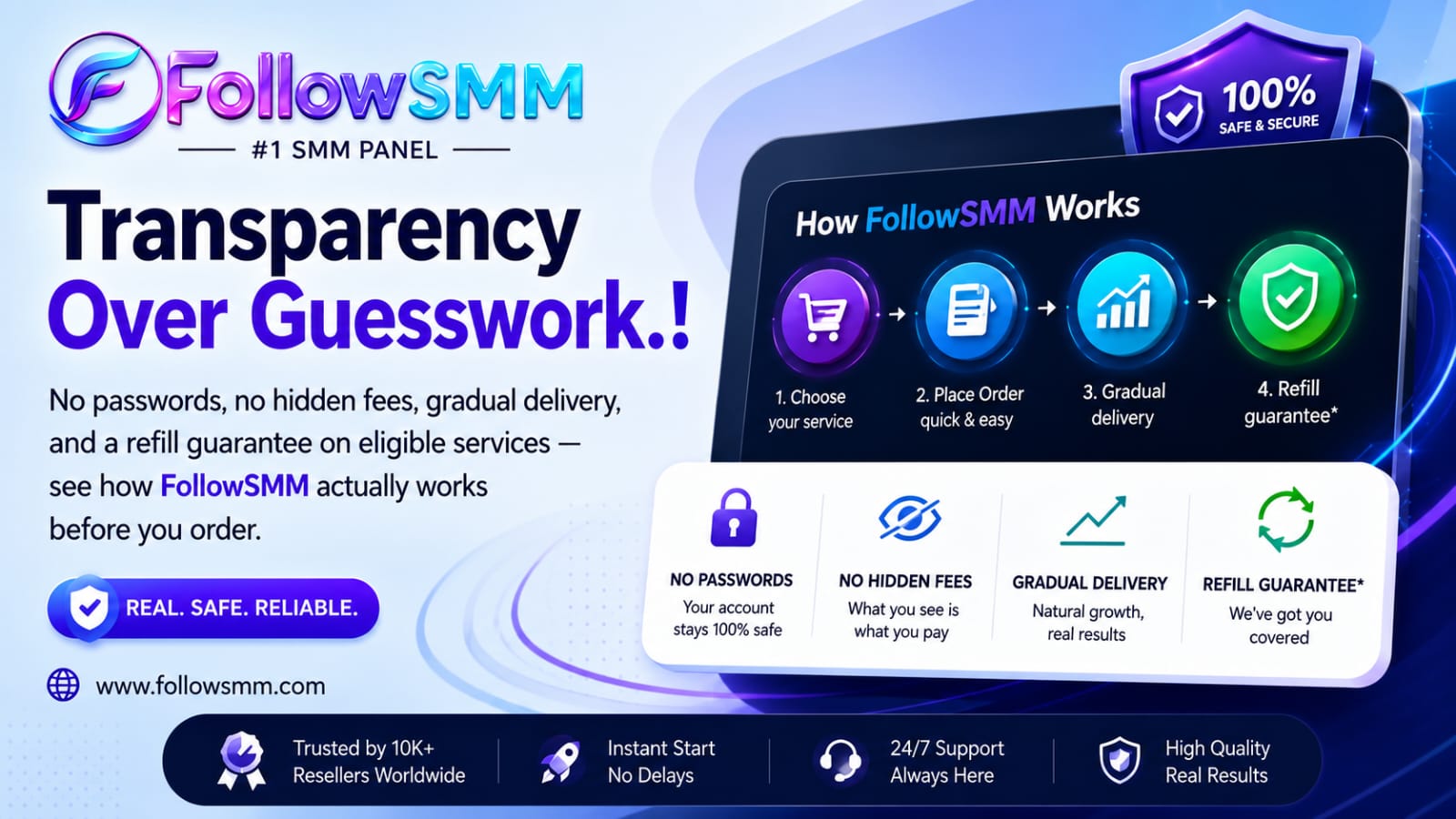
Transparency Over Guesswork
No passwords, no hidden fees, gradual delivery, and a refill guarantee on eligible services — see how FollowSMM actually works before you order.
Explore FollowSMM Services →